Essential Guide to Buying a Preschool in Florida What You Need to Know
- Ivonne Arana
- Jun 21
- 3 min read

Thinking of buying a preschool in Florida? This decision involves more than just signing papers. It requires understanding the local market, regulations and the unique needs of early childhood education. This guide breaks down the key points to help you make an informed choice.
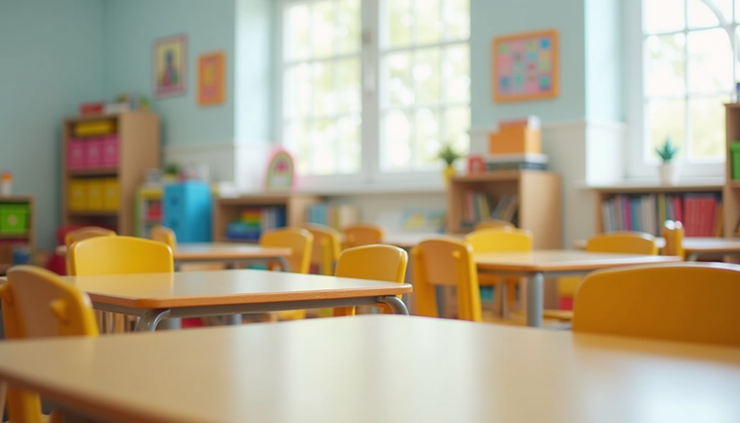
Understand Florida’s Preschool Market
Florida has a growing demand for quality early childhood education. Many families seek preschools that offer safe environments, experienced teachers and engaging curriculums. Before buying, research the local market:
Identify neighborhoods with young families and rising birth rates.
Check the competition: How many preschools operate nearby? What services do they offer?
Look for gaps in the market, such as bilingual programs or extended hours.
Knowing the market helps you choose a preschool that fits community needs and stands out.
Know the Licensing and Regulatory Requirements
Florida requires all preschools to be licensed by the Department of Children and Families (DCF). Licensing ensures the facility meets health, safety and educational standards. When buying a preschool, verify:
The current license status and any past violations.
Compliance with staff-to-child ratios.
Safety measures like fire drills, secure entrances, and sanitation.
Curriculum standards and teacher qualifications.
You can request inspection reports and licensing documents from the seller or find them in the DCF website. This step prevents surprises and ensures the preschool operates legally.
Evaluate the Financial Health of the Preschool
A preschool’s financial records reveal its profitability and potential risks. Ask for detailed financial statements covering at least the past three years. Focus on:
Revenue trends and sources (tuition, grants, subsidies).
Operating costs, including staff salaries, rent and supplies.
Enrollment numbers and retention rates.
Outstanding debts or liabilities.
If possible, consult an accountant experienced in education businesses. They can help spot red flags and assess if the asking price matches the preschool’s value.
Assess the Facility and Location
The physical space impacts the preschool’s appeal and functionality. Visit the site to check:
Classroom size and layout for age-appropriate activities.
Outdoor play areas that meet safety standards.
Accessibility for parents and staff, including parking and public transport.
Condition of the building, including plumbing, electrical systems and ventilation.
A well-maintained facility reduces future repair costs and attracts families.

Review Staff and Curriculum
The quality of teachers and the curriculum shape the preschool’s reputation. Ask about:
Staff qualifications, certifications and turnover rates.
Teacher-to-child ratios during different times of the day.
Curriculum focus, such as play-based learning, STEM or arts.
Professional development opportunities for staff.
Understand Enrollment and Marketing Strategies
A preschool’s success depends on steady enrollment. Find out how the current owner attracts and retains families:
Marketing channels used (local events, online presence, referrals).
Enrollment process and waitlist management.
Parent communication and involvement.
Community partnerships or collaborations.
You may want to develop your own marketing plan to grow the preschool after purchase.
Plan for Transition and Growth
Buying a preschool means taking over relationships with families, staff and regulators. Plan how to:
Communicate the change in ownership clearly and positively.
Retain key staff and maintain morale.
Update policies or programs without disrupting children’s routines.
Explore opportunities for expansion, such as adding age groups or services.
A smooth transition builds trust and supports long-term success.
Legal and Financial Advice Is Essential
Before finalizing the purchase, consult professionals:
A lawyer to review contracts, leases, and licensing agreements.
An accountant to verify financial details and tax implications.
A business advisor familiar with early childhood education.
Their expertise helps protect your investment and ensures compliance with Florida laws.
Purchasing a preschool in Florida provides an opportunity to influence young lives and establish a successful business. Through market research, license verification, financial assessment and careful planning, you can make an informed decision.
Ready to Buy a Preschool in Florida?
Whether you’re searching in Miami, Broward County, Palm Beach, or anywhere across South Florida, the process is complex — but you don’t have to navigate it alone. As a former Montessori school owner and licensed Florida Realtor, I bring firsthand experience to every buyer I work with across Miami-Dade, Fort Lauderdale, Pembroke Pines, Doral, Kendall, Davie, and surrounding areas.
View preschools currently available for sale, reach out directly to start a confidential conversation, or follow @mindfulbloomventures on Instagram where I share real insights from the field every week.


Comments